 By
By Managing multiple debts with varying interest rates, different due dates, and minimum payments can feel like a full-time job. When you are juggling credit cards, personal loans, and medical bills, your financial stress levels rise while your progress toward freedom stalls. Debt consolidation is a strategic approach designed to simplify this chaos by combining multiple liabilities into a single, manageable monthly payment. Understanding how this financial tool works, evaluating your options, and knowing when to use it can help you transition from financial survival to long-term stability.
What Is Debt Consolidation and How Does It Work?
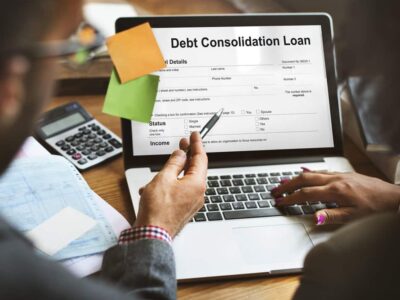
Debt consolidation is the process of taking out a single new loan or financial product to pay off multiple existing debts. Instead of tracking four or five different due dates and sending payments to various creditors every month, you make one payment to a single lender.
The primary mechanics behind consolidation rely on mathematical efficiency. If you currently hold balances across multiple credit cards with interest rates ranging from 18% to 26%, your minimum payments mostly go toward covering high interest rather than reducing the actual principal balance. By replacing these scattered accounts with a single financial instrument that offers a lower interest rate, a larger portion of your monthly payment goes directly toward paying down what you owe.
Crucially, consolidation does not erase your debt. It merely reorganizes it. Think of it as moving your obligations from a fragmented, high-cost structure into a unified, streamlined framework. Success depends entirely on your ability to avoid accumulating new debt on the accounts you just paid off.
Major Benefits of Consolidating Your Debts
Consolidating your financial obligations offers several structural advantages for individuals struggling with multiple bills.
-
Simplified Monthly Budgeting: Managing one payment instead of five or ten reduces the cognitive load of personal finance and drastically lowers the risk of missing a due date.
-
Lower Average Interest Rates: Securing a consolidation product with a reduced annual percentage rate decreases the total cost of borrowing over time.
-
Predictable Payoff Timeline: Most consolidation loans feature fixed terms, such as three or five years, giving you a definitive end date for your debt-free journey.
-
Potential Credit Score Improvement: Consistently making a single on-time payment every month builds positive payment history, while paying down revolving credit lines can improve your credit utilization ratio.
Primary Methods of Debt Consolidation
There is no single correct way to consolidate liabilities. The right path depends on your credit score, income stability, total debt volume, and personal discipline.
Personal Loans
Unsecured personal loans are one of the most popular tools for restructuring debt. You apply for a fixed-rate loan through a bank, credit union, or online lender. If approved, you receive a lump sum of cash, use it to clear your existing balances, and then repay the personal loan over a predetermined timeline, typically between two and seven years. Because these loans are unsecured, approval and interest rates depend heavily on your credit score and debt-to-income ratio.
Home Equity Loans and Lines of Credit
Homeowners can leverage the equity built up in their property to secure a home equity loan or a home equity line of credit. Because the loan is backed by your property, lenders usually offer significantly lower interest rates than what is available with unsecured personal products. However, this approach carries substantial risk. If you fail to make your payments, you put your primary residence at risk of foreclosure.
Balance Transfer Credit Cards
If you have good to excellent credit, you might qualify for a credit card offering a 0% introductory annual percentage rate on balance transfers. This strategy allows you to move high-interest credit card balances onto a new card and pay them off interest-free during the promotional window, which usually lasts between 12 and 21 months. You must factor in balance transfer fees, which typically range from 3% to 5% of the transferred amount, and ensure you can clear the balance before the promotional rate expires.
Debt Management Plans
Working with a reputable non-profit credit counseling agency allows you to enroll in a debt management plan. The agency negotiates with your creditors to lower interest rates and waive certain fees. You make a single monthly payment to the agency, and they distribute the funds to your creditors on your behalf. While this does not involve taking out a new loan, it serves the same structural purpose of combining multiple bills into one payment.
Potential Risks and Hidden Pitfalls
While restructuring debt offers a clear path forward, it is not a cure-all solution. Misusing the strategy can lead to deeper financial trouble.
-
Treating the Symptom, Not the Cause: Consolidation creates breathing room, but if your spending habits remain unchanged, you may rack up new charges on your freshly cleared credit cards, doubling your total debt load.
-
Upfront and Ongoing Fees: Origination fees on personal loans, balance transfer fees on credit cards, and closing costs on home equity products can eat into your projected savings.
-
Extending the Repayment Timeline: Spreading your debt out over a longer period may lower your monthly payment, but it can increase the total amount of interest you pay over the life of the loan.
-
Risking Collateral: Using home equity to pay off unsecured credit card debt converts manageable unsecured liabilities into secured debt tied directly to your home.
Evaluating If Consolidation Is Right for You
Before committing to a consolidation strategy, you must run the numbers and evaluate your financial habits.
Start by listing every single debt you owe, including the current balance, minimum monthly payment, and interest rate. Next, calculate the total monthly outflow and compare it to the projected payment of a consolidation loan with a realistic interest rate. If the math shows clear savings and a shorter or equal payoff timeline, consolidation is likely a viable option.
You must also perform an honest assessment of your financial discipline. If you lack the restraint to keep credit card spending under control after clearing the balances, consolidation may only provide a temporary fix before a more severe financial crisis hits.
Frequently Asked Questions
Will debt consolidation hurt my credit score?
Initially, applying for a new loan or credit card results in a hard inquiry, which can cause a temporary, minor drop in your credit score. Additionally, opening a new account lowers your average account age. However, over the medium to long term, consistent on-time payments and a lower credit utilization ratio typically result in a significant net improvement to your credit profile.
What is the difference between debt consolidation and debt settlement?
Debt consolidation involves paying off your full debt balance using a new loan or financial product, meaning your credit history reflects that obligations were paid as agreed. Debt settlement, on the other hand, involves intentionally stopping payments to your creditors while a third-party company negotiates for you to pay a fraction of what you owe. Settlement severely damages your credit score and can result in tax liabilities on forgiven debt amounts.
Can I consolidate my debts if I have bad credit?
Yes, though your options will be more limited and more expensive. Borrowers with lower credit scores may not qualify for low-interest personal loans or 0% balance transfer cards. In such cases, exploring a non-profit debt management plan or secured options like a home equity loan may be more accessible, though secured options carry the risk of collateral loss.
How do I choose a trustworthy debt consolidation company?
Look for non-profit organizations or reputable, well-established financial institutions and online lenders. Check their credentials with the Better Business Bureau and consumer protection agencies. Avoid any company that promises guaranteed results, demands large upfront fees before performing services, or advises you to stop communicating with your creditors without a clear plan.
Does debt consolidation remove negative marks from my credit report?
No. Consolidation is simply a repayment strategy. Past late payments, charge-offs, or collections that are already on your credit report will remain there for the standard reporting period, typically seven years. However, transitioning to a consolidated payment plan prevents future late marks from occurring.
What happens to my credit cards after I consolidate them?
When you use a personal loan to pay off your credit cards, the balances drop to zero, but the accounts remain open unless you explicitly close them. Keeping accounts open can actually help your credit score by maintaining your available credit limit and preserving your overall credit history length. However, you should only keep them open if you possess the self-discipline to avoid running up new balances.
Can I consolidate tax debt or student loans through a standard personal loan?
While you can technically use personal loan funds to pay off federal or private student loans and tax debts, doing so through a standard commercial product often strips away valuable government protections. Federal student loans offer income-driven repayment plans, forbearance options, and potential forgiveness programs that are permanently lost if you refinance through a private lender. Similarly, the IRS offers structured installment agreements that may be more advantageous than taking out a commercial consolidation loan.
What is your reaction?
Excited
0
Happy
0
In Love
0
Not Sure
0
Silly
0