 By
By Accumulating personal wealth often feels like chasing a moving target. In an economy filled with subscription creep, aggressive marketing tactics, and rising living costs, keeping cash in your savings account requires more than simple willpower. Traditional advice often preaches extreme deprivation, suggesting that you cut out every small pleasure like morning coffee or dining out. Yet, sustainable saving is rarely achieved through misery. Instead, true financial security stems from intentional habits, strategic budgeting frameworks, and automated systems that make saving the default choice rather than a painful daily chore.
Shifting the Mindset from Restriction to Intention
The psychology of money dictates how we spend and save. When saving is framed as a punishment, the subconscious mind rebels, often leading to binge spending cycles. Shifting your perspective transforms money from a tool for immediate gratification into an instrument for long-term freedom.
-
Define clear personal milestones, such as purchasing a home, achieving debt freedom, or funding a career transition, to give your savings a concrete purpose.
-
Differentiate clearly between genuine needs that support your health and well-being versus impulsive wants driven by social comparison.
-
Track every dollar for a single month without judgment to uncover hidden spending leaks that drain your monthly cash flow.
Automating Your Financial Architecture
Relying on manual transfers to save money is a recipe for failure. Human willpower fluctuates daily, making it easy to procrastinate or spend money that should have been set aside. Building an automated system removes human friction from the savings process entirely.
-
Set up direct split deposits with your employer so a fixed percentage of every paycheck flows straight into a high yield savings or investment account before you ever see it in your checking account.
-
Automate minimum debt payments and fixed utility bills on their respective due dates to avoid costly late fees and protect your credit score.
-
Treat savings as a non-negotiable fixed monthly expense, just like rent or mortgage payments, rather than what is left over at the end of the month.
Auditing and Optimizing Fixed Expenses
While most people focus on cutting small variable costs, the greatest savings potential usually lies within major fixed monthly expenses. These recurring costs dictate your baseline cost of living and require attention at least once a year.
-
Shop around for auto, home, and renter insurance policies annually to ensure you are receiving competitive rates and maximum discounts.
-
Review all recurring digital subscriptions, software licenses, and streaming services, canceling anything that has not been actively used in the past thirty days.
-
Negotiate lower rates with internet, mobile phone, and utility providers by leveraging competing offers in your local market.
Strategic Grocery Shopping and Meal Planning
Food expenses represent one of the most flexible categories in a household budget. Small adjustments in how you plan, purchase, and consume food can yield substantial annual savings without sacrificing nutrition or taste.
-
Plan weekly menus around seasonal produce and discounted proteins already available at local supermarkets.
-
Shop with a strict physical list and never enter a grocery store while hungry to eliminate impulse purchases of processed snacks and convenience items.
-
Batch cook meals on weekends and freeze portions to replace expensive midday restaurant lunches and last-minute takeout orders during busy work weeks.
Optimizing Transportation and Commuting Costs
Vehicle ownership and daily commuting consume a massive portion of the average household budget when factoring in fuel, maintenance, insurance, depreciation, and parking fees.
-
Combine multiple errands into a single weekly trip rather than making numerous individual drives to reduce fuel consumption and wear on your vehicle.
-
Maintain your car properly by changing oil regularly, checking tire pressure monthly, and replacing air filters to prevent minor mechanical issues from turning into expensive repairs.
-
Explore public transit, carpooling options, or cycling for routine trips if your geographic location makes alternative commuting viable.
Frequently Asked Questions
What is the best strategy to handle unexpected emergency expenses without derailing long term savings?
Building a dedicated emergency fund holding three to six months of essential living expenses in a separate high yield account is the best defense. This prevents you from tapping into retirement accounts or accumulating high interest credit card debt when unexpected car repairs or medical bills occur.
How can couples align their saving goals when they have different spending habits?
Couples should schedule regular, low pressure money dates to discuss shared long term values and establish common financial milestones. Creating a hybrid budgeting model that combines joint accounts for fixed household expenses with independent personal allowances allows both partners to maintain autonomy while working toward shared financial security.
Are high yield savings accounts safe for holding short term cash goals?
Yes, accounts held at banks insured by the Federal Deposit Insurance Corporation or credit unions insured by the National Credit Union Administration are secure up to statutory limits per depositor. These accounts offer significantly higher interest rates than traditional brick and mortar banks while keeping your principal completely liquid and risk free.
What is the envelope system and how does it help control variable spending?
The envelope system is a cash based budgeting method where you allocate physical cash into labeled envelopes for variable spending categories like dining out or clothing. Once the cash in a specific envelope is gone for the month, all spending in that category stops entirely until the next pay cycle.
How do credit card rewards programs fit into a disciplined savings plan?
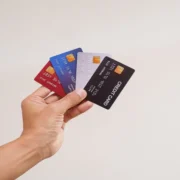
Credit cards can support savings if you pay the full statement balance every single month to avoid interest charges, effectively capturing cash back or travel rewards on necessary purchases. However, if a rewards card tempts you to spend more than you would using cash or debit, the interest and extra spending will quickly outweigh any rewards earned.
What steps should someone take to rebuild savings after experiencing a major financial setback?
Start by stabilizing your baseline budget to ensure current income exceeds basic survival expenses. Focus on aggressive expense reduction, temporarily pausing nonessential spending, and setting up automated micro-transfers into your savings account until you regain financial footing.
How often should a personal budget be reviewed and adjusted?
A personal budget should undergo a quick weekly check-in to monitor variable spending categories and a comprehensive review every quarter. Life changes, inflation, and shifting personal priorities require you to adjust your savings allocations and spending limits to keep your financial plan realistic and effective.
What is your reaction?
Excited
0
Happy
0
In Love
0
Not Sure
0
Silly
0